
Fiction & Literature
The Picture of Dorian Gray
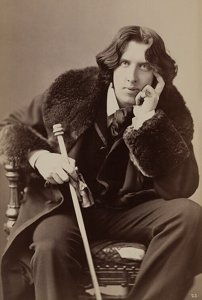
Oscar Wilde
About the book
Oscar Wilde’s Gothic novel follows a young man who wishes that his portrait could age in his place. As Dorian pursues pleasure under Lord Henry’s influence, the painting becomes a hidden record of the consequences his outward beauty conceals. First published in 1890 and expanded in 1891, the story examines vanity, influence, art, and responsibility.
The portrait separates appearance from character without letting Dorian escape the moral costs of his choices. Wilde’s wit makes the novel seductive, but its darkest question is not how to remain young: it is what happens when a person treats other lives as material for an aesthetic experience.
Selected passages
Art & Conscience
“The books that the world calls immoral are books that show the world its own shame.”
Oscar Wilde
Novel excerpt in the Amazon publisher description; Lord Henry’s dialogue ↗Wilde’s line, spoken by Lord Henry, turns moral judgment back on the reader. It should not be mistaken for the novel endorsing everything that character says: Dorian’s portrait makes the costs of influence, vanity, and concealment increasingly visible.
Price & Value
“Nowadays people know the price of everything and the value of nothing.”
Oscar Wilde
Novel excerpt reproduced in the Amazon publisher description ↗Lord Henry’s aphorism challenges a world that confuses a price with the meaning of a thing or a relationship.
Influence
“There is no such thing as a good influence, Mr. Gray.”
Oscar Wilde
Lord Henry’s dialogue quoted in an Amazon reader review ↗Lord Henry’s provocative claim belongs to a character whose effect on Dorian is part of the novel’s moral problem.
Friendship & Misunderstanding
“You don’t understand me, Harry,”
Oscar Wilde
Basil’s dialogue quoted in an Amazon reader review ↗Basil’s protest reveals the distance between his feelings and Lord Henry’s confident explanations.
A Wider World
“The world is wide and has many wonderful people in it.”
Oscar Wilde
Basil’s dialogue quoted in an Amazon reader review ↗Basil offers a humane counterpoint to treating others only as instruments of pleasure or influence.
Cover: Jordy Muñoz / Unsplash · Thematic photograph, not a book cover.
Author portrait: Napoleon Sarony, 1882 / public domain